
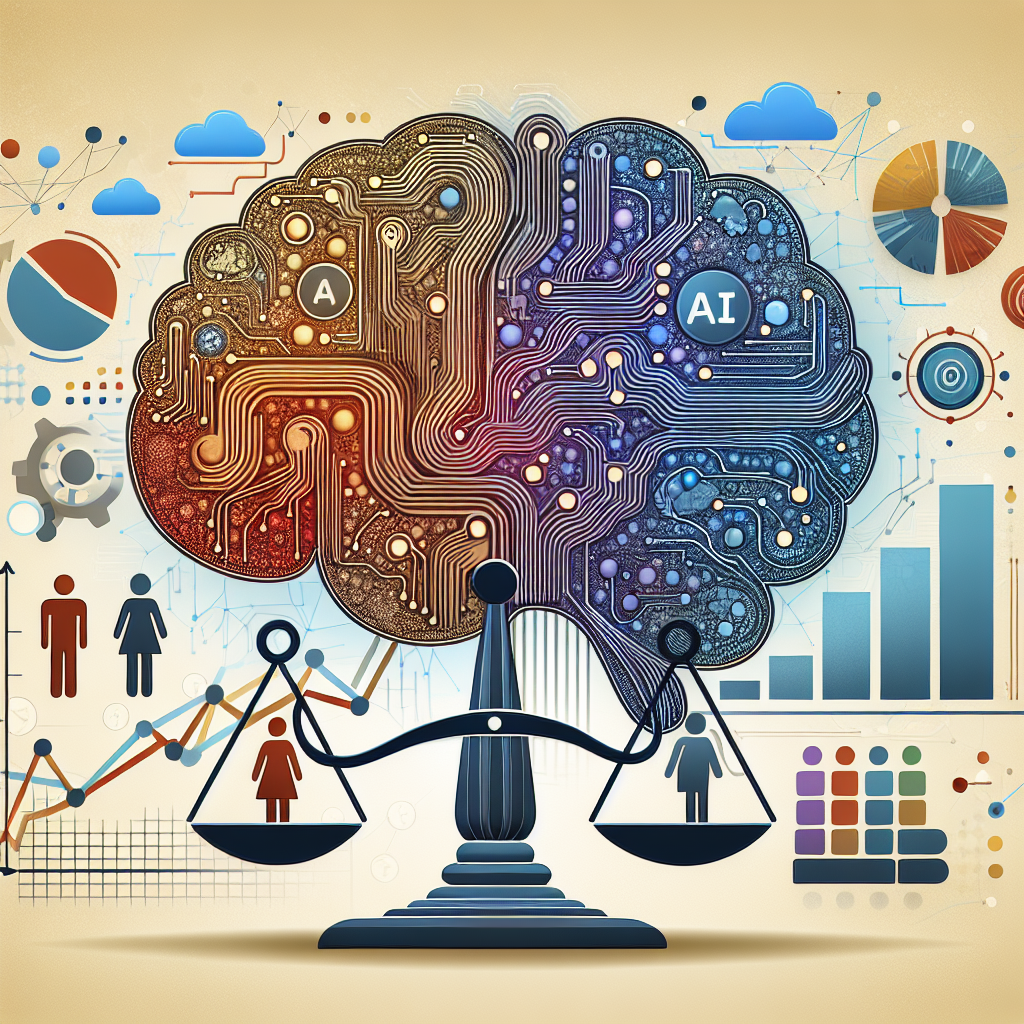
In recent years, the use of artificial intelligence (AI) in data analytics has become increasingly prevalent across various industries. While AI technology has the potential to revolutionize the way we analyze and interpret data, there are concerns about bias and discrimination in AI algorithms. These biases can lead to unfair outcomes and perpetuate existing inequalities in society. In order to address these issues, organizations must implement strategies for developing ethical AI systems that prioritize fairness and accountability.
Understanding Bias in AI
Bias in AI algorithms can stem from various sources, including the data used to train the algorithms, the design of the algorithms themselves, and the decision-making processes that govern their use. For example, if a dataset used to train an AI model contains biased or incomplete information, the model may learn to make inaccurate or discriminatory predictions. Similarly, if the algorithms used to process the data are designed in a way that reflects the biases of their creators, they may produce unfair outcomes.
One of the most common forms of bias in AI is algorithmic bias, which occurs when an AI system produces discriminatory results based on factors such as race, gender, or socioeconomic status. This can have serious implications for individuals who are unfairly targeted or excluded by AI algorithms, as well as for society as a whole.
Strategies for Addressing Bias in AI
In order to address bias and discrimination in AI, organizations must take a proactive approach to developing ethical AI systems. This includes implementing strategies that prioritize fairness, transparency, and accountability throughout the entire AI development process. Some key strategies for addressing bias in AI include:
1. Diverse and Inclusive Data Collection: One of the most effective ways to reduce bias in AI algorithms is to ensure that the data used to train the algorithms is diverse and representative of the population it serves. This means collecting data from a wide range of sources and including diverse perspectives in the dataset.
2. Transparent and Explainable Algorithms: Organizations should strive to develop AI algorithms that are transparent and explainable, meaning that the decision-making process of the algorithms can be easily understood and interpreted. This can help to identify and address biases in the algorithms before they lead to unfair outcomes.
3. Regular Monitoring and Evaluation: It is important for organizations to regularly monitor and evaluate the performance of their AI systems to ensure that they are producing fair and accurate results. This can involve conducting bias audits, analyzing the impact of the algorithms on different groups, and implementing corrective measures when biases are detected.
4. Stakeholder Engagement: Organizations should engage with a diverse range of stakeholders, including employees, customers, and community members, to gather feedback and input on the development of AI systems. This can help to identify potential biases and ensure that the algorithms are designed to serve the needs of all stakeholders.
5. Ethical Guidelines and Standards: Organizations should establish clear ethical guidelines and standards for the development and use of AI systems. These guidelines should prioritize fairness, transparency, and accountability, and should be enforced through regular audits and reviews.
Frequently Asked Questions about Ethical AI
Q: What is ethical AI?
A: Ethical AI refers to the development and use of artificial intelligence systems that prioritize fairness, transparency, and accountability. Ethical AI systems are designed to minimize bias and discrimination and to serve the needs of all stakeholders.
Q: Why is bias in AI a concern?
A: Bias in AI algorithms can lead to unfair outcomes and perpetuate existing inequalities in society. This can have serious implications for individuals who are unfairly targeted or excluded by AI algorithms, as well as for society as a whole.
Q: How can organizations address bias in AI?
A: Organizations can address bias in AI by implementing strategies that prioritize fairness, transparency, and accountability throughout the entire AI development process. This includes collecting diverse and inclusive data, developing transparent and explainable algorithms, regularly monitoring and evaluating AI systems, engaging with stakeholders, and establishing ethical guidelines and standards.
Q: What are the benefits of ethical AI?
A: Ethical AI can help organizations to build trust with their customers, employees, and communities, as well as to avoid legal and reputational risks associated with biased or discriminatory algorithms. By prioritizing fairness and accountability, organizations can ensure that their AI systems are designed to serve the needs of all stakeholders.
Q: How can individuals advocate for ethical AI?
A: Individuals can advocate for ethical AI by raising awareness about the importance of fairness, transparency, and accountability in AI systems, and by holding organizations accountable for developing and using ethical AI. This can involve participating in discussions, supporting initiatives that promote ethical AI, and advocating for policies that prioritize fairness and accountability in AI development and use.
In conclusion, addressing bias and discrimination in AI is a critical challenge for organizations that are developing and using AI systems. By implementing strategies that prioritize fairness, transparency, and accountability, organizations can build ethical AI systems that serve the needs of all stakeholders and contribute to a more just and equitable society. By engaging with diverse stakeholders, monitoring and evaluating AI systems, and establishing ethical guidelines and standards, organizations can ensure that their AI systems are designed to minimize bias and discrimination and to promote fairness and equality for all.